3DeVOK
3DeVOK Studio
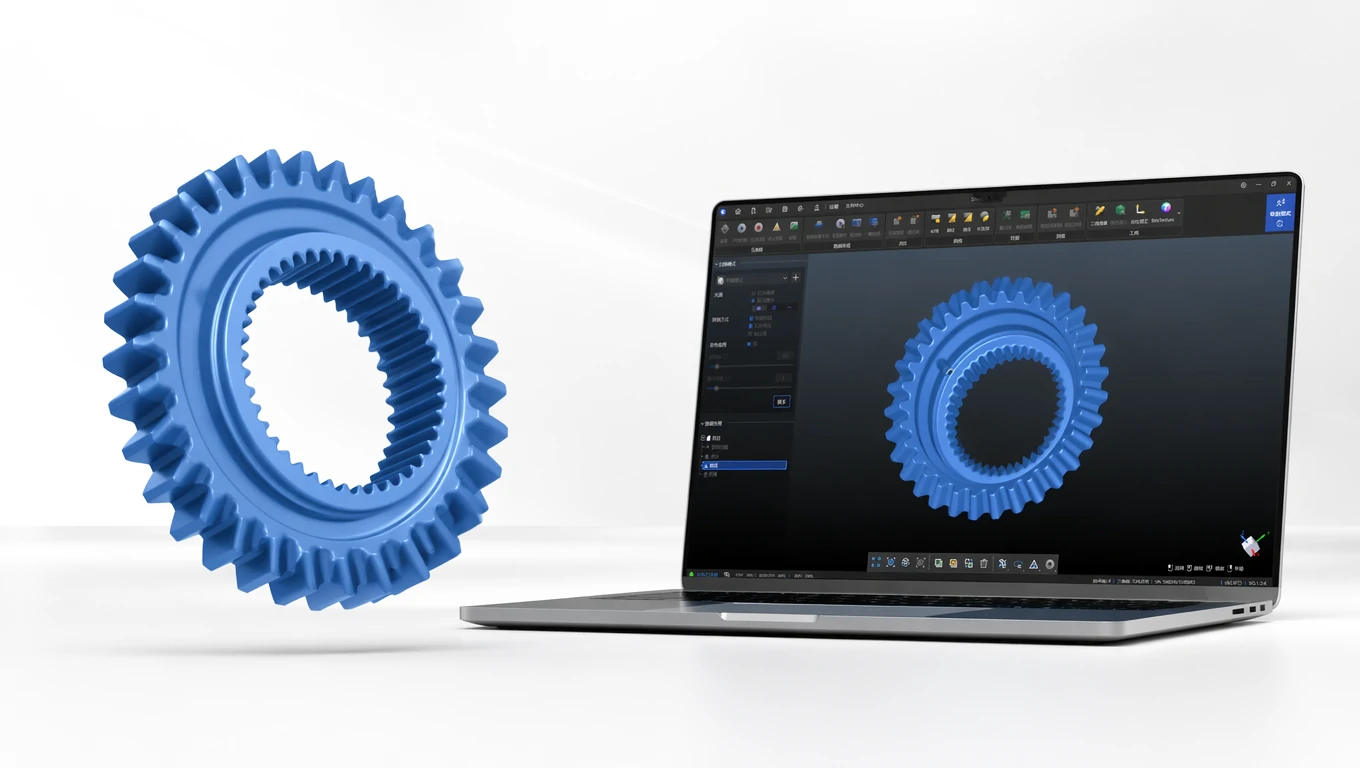
From first capture to a finished 3D model.
Explore the product ↗3DeVOK / PROFESSIONAL 3D SCANNER
Three capture modes. More options for your object.
Book a demonstration01 / OVERVIEW
Blue laser, infrared laser and infrared structured light in one scanner. MT is designed for geometry reconstruction, inspection, product adaptation and heritage digitisation.
basic accuracy up to
* Stated accuracy applies under the manufacturer's test conditions. Maximum speed and minimum point spacing relate to different modes and settings.minimum point spacing, blue laser
light sources
02 / ORIGINAL 3DEVOK PRESENTATION
Watch the full product presentation.
03 / SCANNING MODES
34 blue laser lines for capturing fine geometry.
04 / THREE LIGHT SOURCES
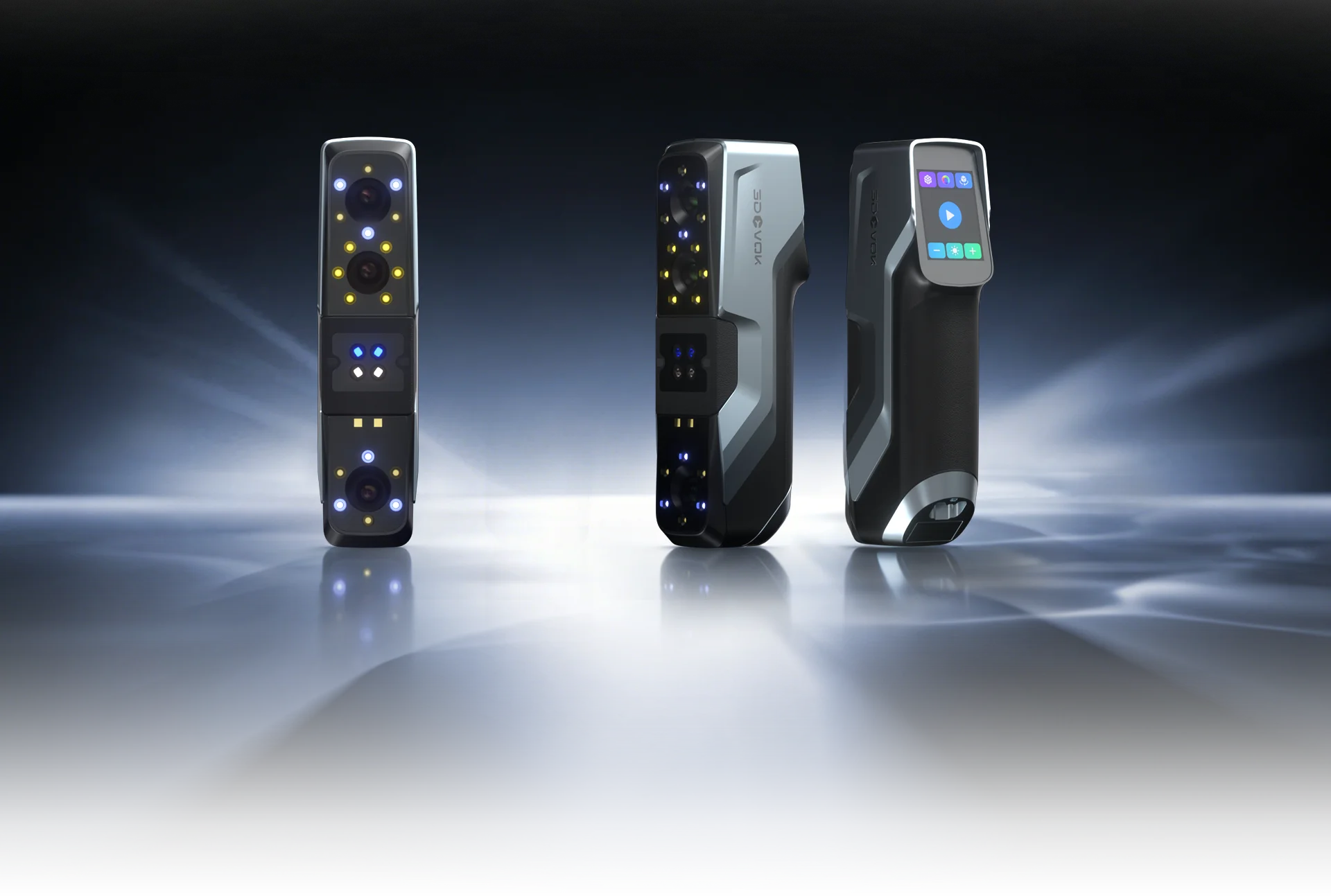
Blue laser, infrared laser and infrared structured light cover different tasks. Match mode and alignment to the object's size, surface and requirements.
05 / BLUE LASER
The blue laser mode allows point spacing from 0.05 mm. It is intended for the detail you need in reconstruction and shape analysis.
06 / DEMANDING SURFACES
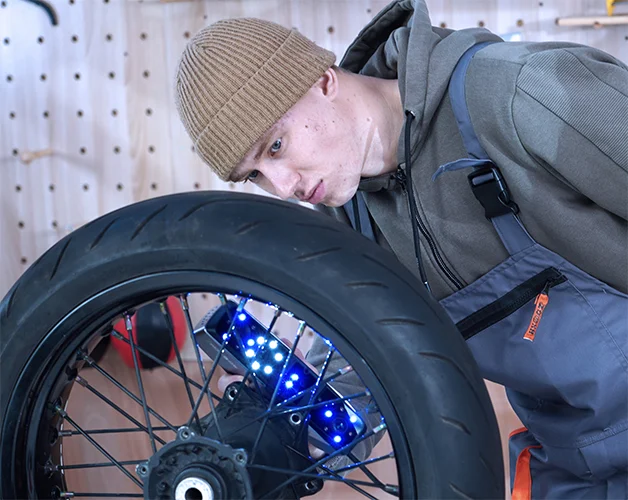
The blue laser extends capture of dark and demanding surfaces. Settings and surface preparation depend on the specific material.
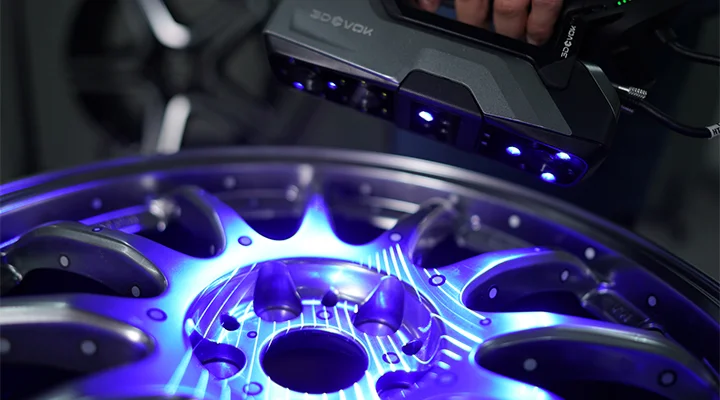
07 / HYBRID ALIGNMENT
A combination of geometry, texture and markers supports stable capture. You choose the alignment method during work according to the object's features.
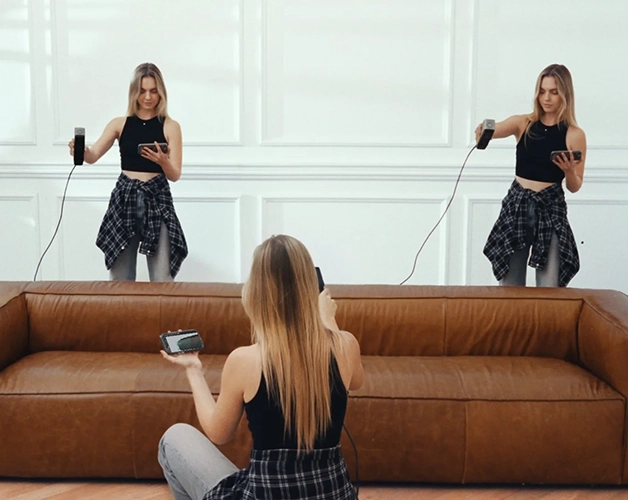
08 / COLOUR DATA
Colour capture complements geometry when digitising art, objects and products. For further texture work, combine it with Mapping.
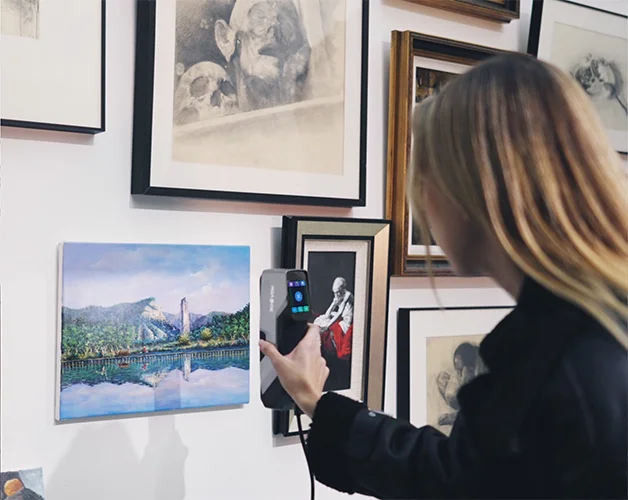
09 / PRODUCT ADAPTATION
Digitise an automotive component or other existing geometry. The scan is the basis for checking space, planning adaptations and reverse engineering.
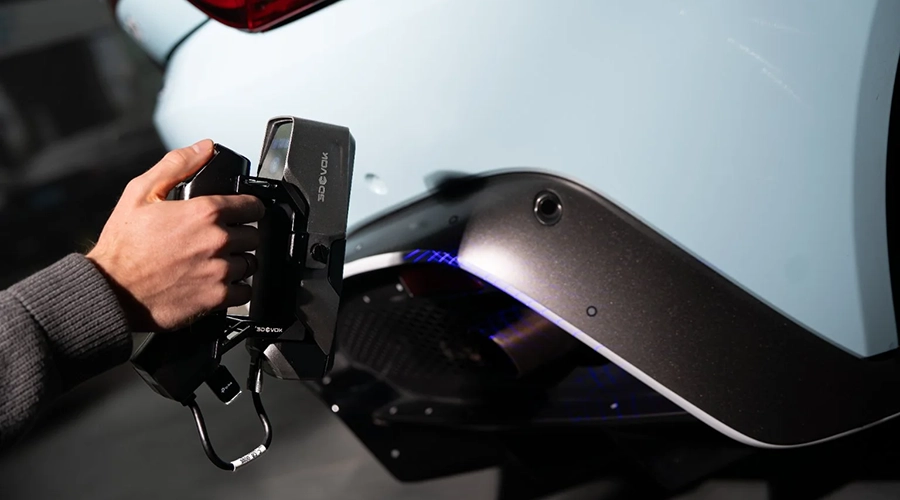
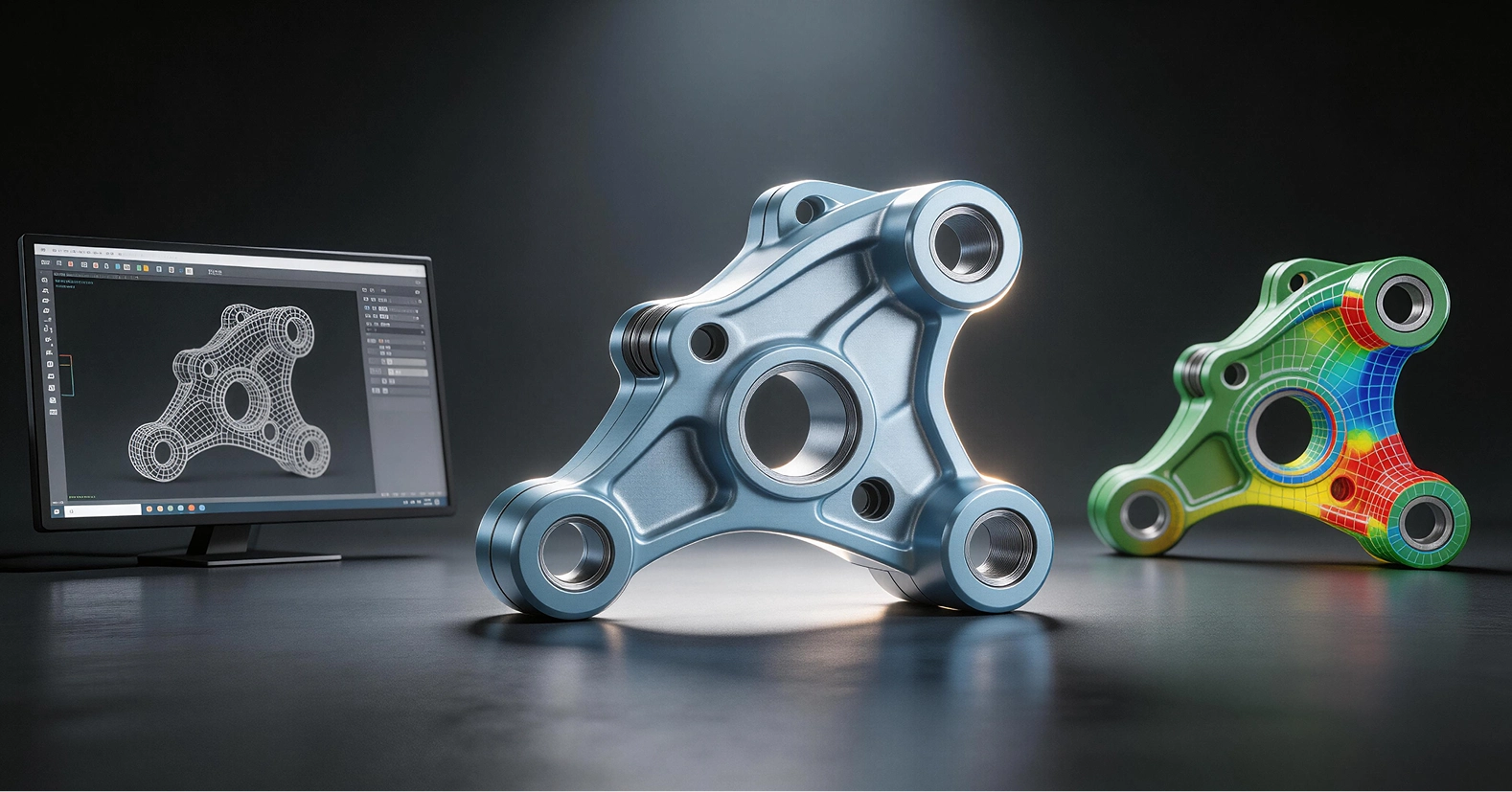
10 / FURTHER PROCESSING
Transfer the processed scan to suitable design or metrology software. There you perform CAD reconstruction or comparison with reference geometry.
MANUFACTURER VIDEO / YOUTUBE
See the process and features in the official video presentation.
Open video on YouTube11 / TECHNICAL DATA
A selection of key parameters. When choosing, consider object size, required accuracy and working conditions.
* Stated accuracy applies under the manufacturer's test conditions. Maximum speed and minimum point spacing relate to different modes and settings.
12 / RELATED EQUIPMENT
3DeVOK
From first capture to a finished 3D model.
Explore the product ↗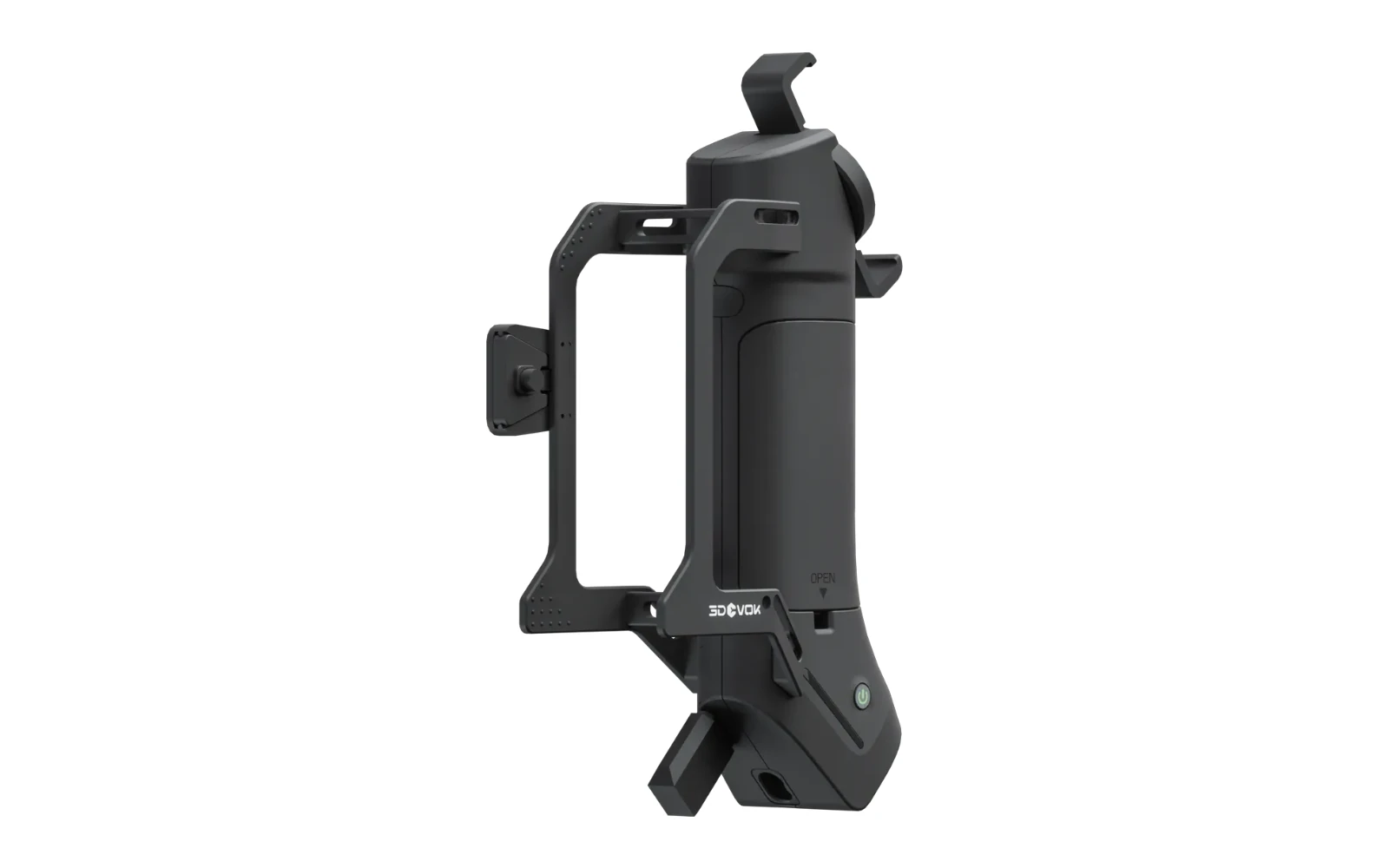
3DeVOK
More freedom to move around the object.
Explore the product ↗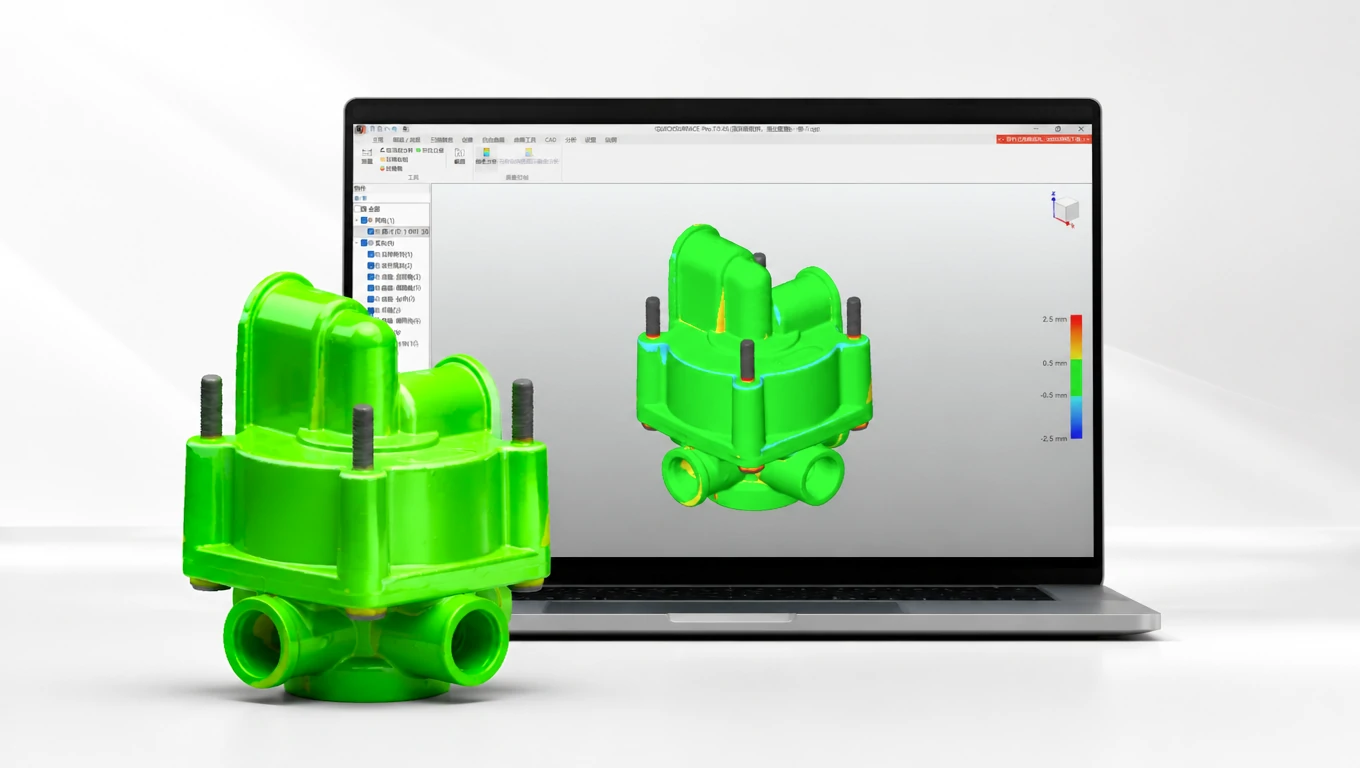
QUICKSURFACE
The scan is the start. CAD is the next step.
Explore the product ↗3D ING / TALK ABOUT YOUR PROJECT
What do you want to scan and what result do you need?
Describe the object, its size, material and the intended use of the data. Together we can clarify the basis for choosing equipment.